

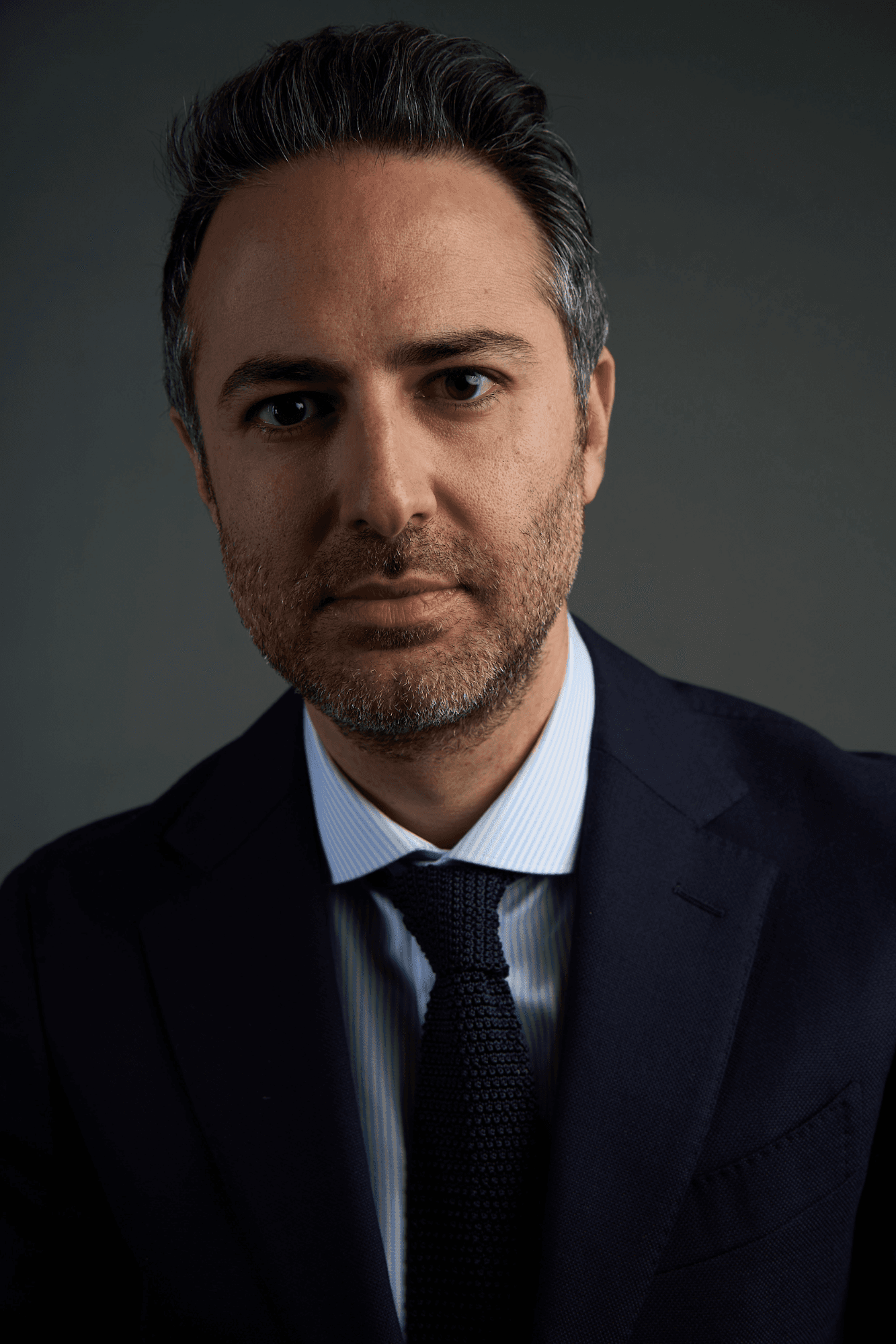
This interview is with Peyman Tashkandi, Double Board Certified Child, Adolescent & Adult Psychiatrist at Dr. Peyman Tashkandi.
Peyman Tashkandi, Double Board Certified Child, Adolescent & Adult Psychiatrist, Dr. Peyman Tashkandi
Can you tell us about your background as a double board-certified child and adult psychiatrist, and what drew you to specialize in both populations? What unique perspective does this dual expertise give you in your practice?
I am a psychiatrist, which means that I am a physician who specializes in mental health. I was always interested in the human mind since I was younger, and when I got into medical school, I decided to pursue psychiatry for my residency. Initially, I started with the adult population, but I shortly realized while in residency that the only way to fully understand a person is to understand their development. That's what drew me to child and adolescent psychiatry. This dual perspective allows me to understand all my patients with a much deeper understanding and appreciation of how their development has shaped them.
You mentioned pursuing specialized training in interventional psychiatry like TMS after completing your residency. What pivotal moments or experiences in your early career shaped the kind of psychiatrist you are today?
Understanding that what makes a psychiatrist great is the ability to look inside the box and outside the box. The only way to expand one's horizons is by recognizing that gaining more knowledge brings you closer to truly understanding your field. I learned that where we are today is clearly not where we will be in the future, and that progress only happens by pushing the envelope forward.
When you're sitting across from a parent whose child has just been diagnosed with depression or anxiety, what's the most important thing you want them to understand in that moment? How do you help families navigate that initial conversation?
The most important thing I want the family to understand is that I am there to help them through this process. I want them to feel safe and free of judgment. I want the family to understand that they will still have autonomy in making the best decisions for their child, and they will be provided with the best and most honest education about what options are available. I also want them to know that I will provide the least invasive treatment that gives the most effective result.
In your experience treating both children and adults, what's the biggest misconception people have about psychiatric medications? Can you walk us through how you approach the decision of whether medication is the right choice for a patient?
The biggest misconception is that all medications are addictive and that medications will somehow make people feel worse than they already are. Both are incorrect. Also, the overstating of side effects in psychiatric medications, often tied to stigma, is something I want everyone to know about. Psychiatric medications help people live their lives in a more meaningful way than when they were not being treated.
You've emphasized meeting the child where they are. Can you share a specific example from your practice where an individualized approach made a breakthrough for a patient who wasn't responding to conventional treatment methods?
I have had many examples, but one example stands out the most for me. I had a patient who had just turned twenty-one. He had significant symptoms of Autism Spectrum Disorder, and his parents were always trying to do everything for him. It was almost assumed by everyone that he could not have much independence. One thing I did was provide significant education to parents and help them let go of the belief that he was still a child and help him find his own voice.
Many of your patients likely come to you after trying therapy alone or medication alone without success. How do you determine when to integrate psychotherapy and pharmacology, and what does that combined approach look like in practice?
Combined approach is almost always the best approach in most cases. Medication often tones down the physiology, and the therapy provides the scaffolding for change. The combination is usually be best approach.
Parenting a child with a psychiatric condition brings unique challenges. What's one practical piece of guidance you consistently offer to parents that helps them feel more empowered rather than overwhelmed in supporting their child's mental health?
Knowing that you are doing the best you can in a very challenging environment is the best piece of advice I can give. Parents need to decrease the burden of perfection and understand that they are learning everyday and they truly are doing the best they can.
You work with conditions across the spectrum from depression and anxiety to psychosis and bipolar disorder. When you're treating a complex case that isn't responding as expected, what's your decision-making process for adjusting the treatment plan?
Rethink the diagnosis, look at every step that has been taken, and try to eliminate all confounding variables that could possibly complicate the picture. Then, do research and see if there is any guidance within the scientific community.